
City of Waterloo
Two Universities, a Thousand Smart Kids, and Some of the Best Family Streets in the Region
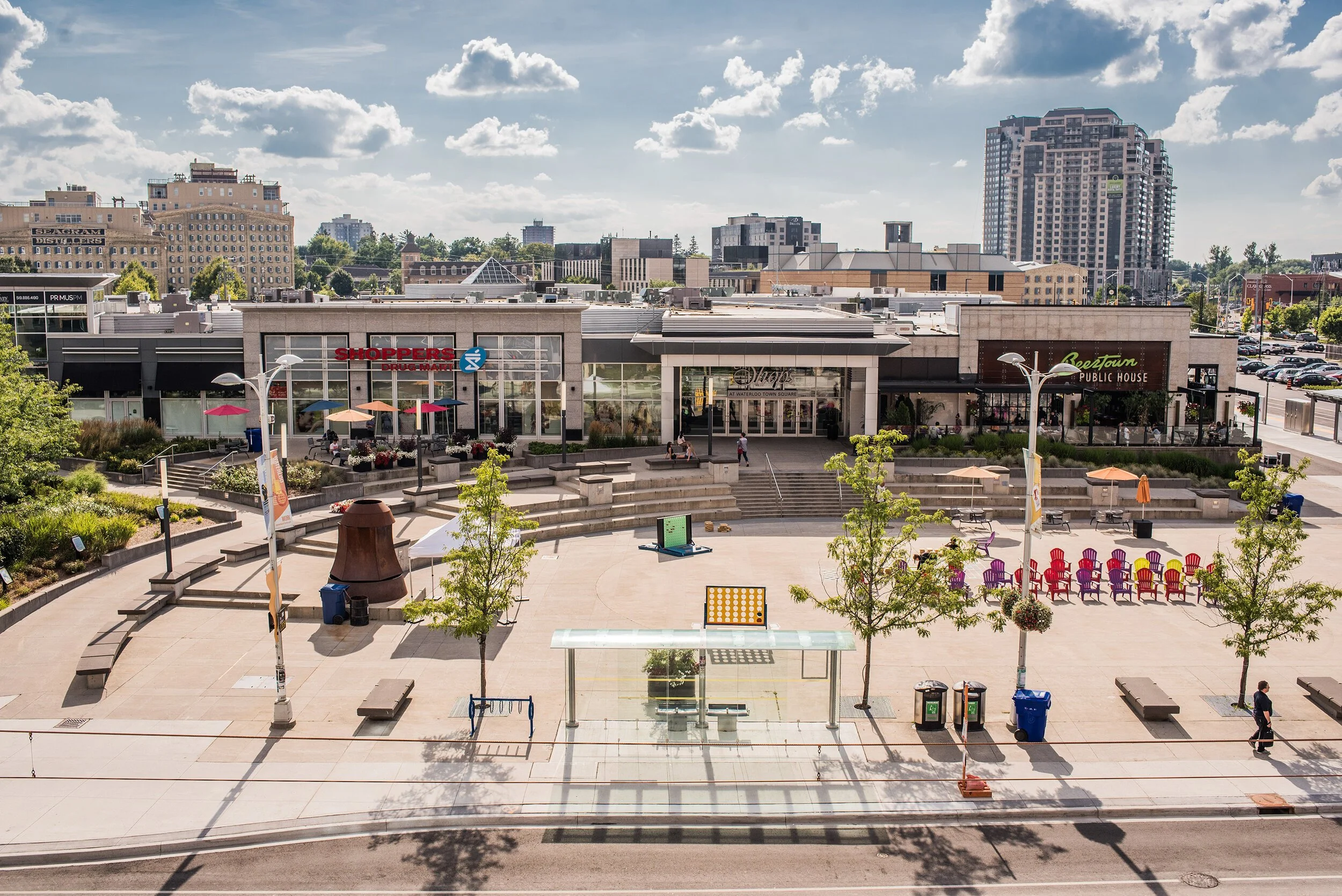
Here's the thing people get wrong about Waterloo.
They think it's all students and start-ups. Bikes everywhere, somebody pitching an app at the next table over.
And sure, that's part of it. But drive ten minutes off the main drag and you're in some of the quietest, leafiest family streets going. Waterloo has this double life. Brainy and busy in the middle, calm and settled around the edges.
I like that about it. 🧡
So What Is Waterloo?
It sits right on top of Kitchener. They're the "twin cities," K-W, and locals shift between them without thinking about it.
At the 2021 census, Waterloo was home to 121,436 people, according to Statistics Canada. The city's own 2024 estimate puts it closer to 155,550 once you count the students. So when I say it's growing fast, I mean it.
It's a university town at heart. The University of Waterloo and Wilfrid Laurier are both here, along with the Perimeter Institute and a serious tech scene. The kind of place where the future gets built and then somebody's kid still needs a backyard to kick a ball around in.
A Little History
The first families here were Mennonites from Pennsylvania, led by the Erb family, who settled the area around 1806 on what was called the German Company Tract.
The name came from across the ocean. Waterloo, after the Duke of Wellington's victory over Napoleon in 1815. The township took the name in 1816.
It grew up slow and steady. A village in 1857, a town in 1876, and finally a city in 1948, per the Canadian Encyclopedia. For most of its life it played the smaller sibling to Kitchener. Then the universities arrived, the tech followed, and Waterloo stopped being anybody's little brother.
Who Is Waterloo For?
Families who want their kids near good schools and don't mind a bit of energy in the air.
If you want walkable, if you want the splash pad and the library and the coffee shop all in reach, if you like the idea of raising kids somewhere ambitious, Waterloo fits.
Here's the honest practical picture.
Waterloo isn't the cheap option. You pay for the schools and the location. Your dollar stretches further in Kitchener or Cambridge, and I'll always tell you that straight.
But the family pockets are genuinely strong. Laurelwood, Vista Hills, Eastbridge, Beechwood, Lakeshore. Established trees, good schools, kids riding bikes till the streetlights come on.
One thing to watch, and I'd be doing you a disservice not to say it. The closer you get to the universities, the more student rentals you'll find. Great for investors. Not always the vibe a young family's after. Knowing which streets are which is half my job.
Things to See and Do
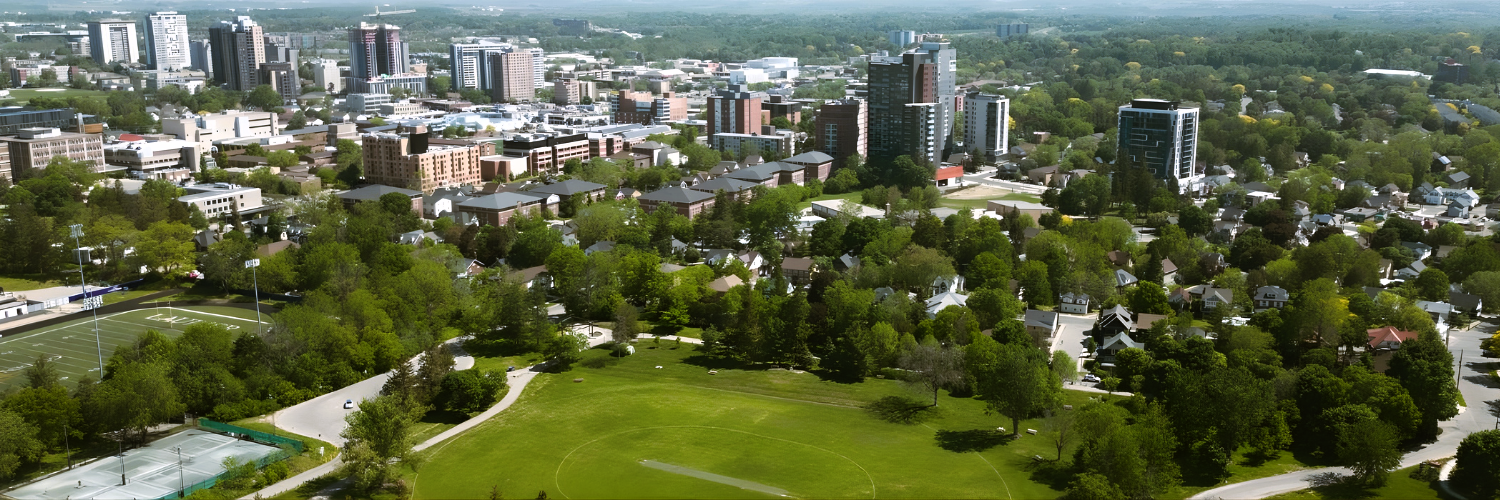
Waterloo Park is the heart of it. 45 hectares, right in Uptown, with a boardwalk, gardens, public art, a splash pad, and the Eby Farm Playground, which is a fully accessible, farm-themed play area, per Destination Ontario. It's the kind of place you lose a whole Saturday and don't mind one bit.
The Canadian Clay and Glass Gallery sits right by the park in Uptown. Free admission, beautiful work, and a gift shop full of handmade pieces from more than 150 Canadian artists. Easy win on a cold afternoon.
Uptown Waterloo is the walkable core. Patios, independent shops, festivals most of the summer, including the Uptown Waterloo Jazz Festival. It's got life to it.
The City of Waterloo Museum is a quieter stop for connecting with the city's past. Worth an hour.
And the whole thing is wired for getting around. The ION light rail runs right through Uptown and down into Kitchener, which matters more than you'd think when the kids are older and want to get themselves places.
Schools
Public (WRDSB) secondary schools in Waterloo: Bluevale Collegiate Institute, Laurel Heights Secondary School, and Waterloo Collegiate Institute.
Catholic (WCDSB): St. David Catholic Secondary School, which is actually the oldest secondary school building in the Catholic board, established in 1965.
On the elementary side, Waterloo's loaded. Dozens of WRDSB and WCDSB schools spread across every neighbourhood, with French immersion options in both boards. The right one for you comes down to which street you land on, and boundaries shift, so let's check the exact catchment before you fall for a house.
Real Estate in Waterloo
Waterloo holds its value. That's the short version.
Demand stays high because the universities and the tech jobs aren't going anywhere. Even when the market cools, the good family streets here tend to hold firmer than most.
What that means for you. You'll likely pay a bit more to get in, but you're buying into something stable. For a family planning to plant roots and stay ten or fifteen years, that stability is worth real money.
The trade-off is space. The same budget that gets you a detached with a big lot in Cambridge might get you something tighter in Waterloo. That's the deal you're weighing. Location and schools, or space and value. There's no wrong answer. There's just the one that's right for your family, and that's the conversation I want to have with you.
What Families Tell Me After Moving Here
They tell me the kids made friends fast.
They tell me they didn't expect to use Waterloo Park as much as they do.
And the busy ones, the shift workers and the folks juggling two careers and two kids, they tell me it finally feels like the pieces are close enough together to actually manage.
Is Waterloo Right for Your Family?
You want strong schools and don't mind paying for them.
You like a bit of energy, a walkable core, parks you'll actually use.
You're planning to stay a good long while.
If that's you, let's talk about which streets.
Ready to have the real conversation?